

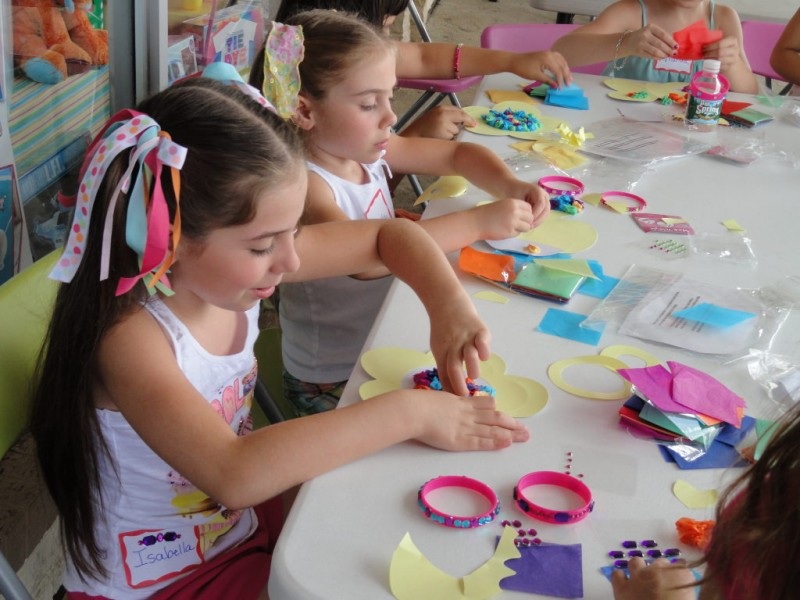
It is often said that our children are our future. The way that we raise our children determines the health of our future communities and societies. This is why early childhood education is so important! As a jumping-off point for youngsters, the right kind of early childhood education prepares them for not only further schooling but also a lifetime of living in a community and interacting with other individuals.
Why Is Pre-School So Crucial?
Organisations such as Thrive pre-school place a huge emphasis on early learning programs because they are the very fabric of our future. Unlike regular schooling, pre-school is designed to prepare young minds for the rigours of further learning and the best application of this philosophy is in play-based learning.
All children are different but the fact is that most children thrive in an early education environment where they are allowed to learn through play. Play itself is an essential way that human beings learn and can be defined in a variety of broad terms. In an educational environment, however, play-based learning entails the following:
- Joy: It is crucial that all children enjoy the education process. By nature, children are playful and enjoy engaging in stimulating play environments. The joy that they experience during this time stimulates their brains and allows learning.
- Challenges: Play-based learning is designed to offer gentle challenges that children are stimulated by. For example, play often includes problem solving, working with others, and facing fears. All of this is done in a safe, secure, and loving pre-school education environment where positive engagement is encouraged.
- Physical: At a young age, it is important that children engage in play and activities that help them to develop both their gross motor and fine motor skills. This is why the best early learning environments include appropriate play equipment.
- Symbolic: A big part of play-based learning is the act of symbolic play. This has the potential to allow children to experience a world outside of their own and learn from imaginative scenarios. For example, it is not uncommon for young children to engage in imaginative “what if?” play when they use toy cars, dolls, and other objects. They will also often become stimulated through the use of their own imagination, pretending to take on a role and perhaps dressing up.
Play Is the Key
A number of neurological studies conclude that when children engage in play, it shapes the brain quite significantly. When children create meaning, face fears, solve challenges, and learn about other points of view during the gentle play-based scenarios offered at many of the best early childhood education facilities, their brains are developing rapidly and they are more likely to develop the following:
- Better impulse control and behaviour regulation
- Better memories
- Increased numeracy and literacy
Quite clearly, these results strongly point to them being much better prepared for a life at school. Furthermore, it also prepares them more comprehensively for life in general outside of school.
