

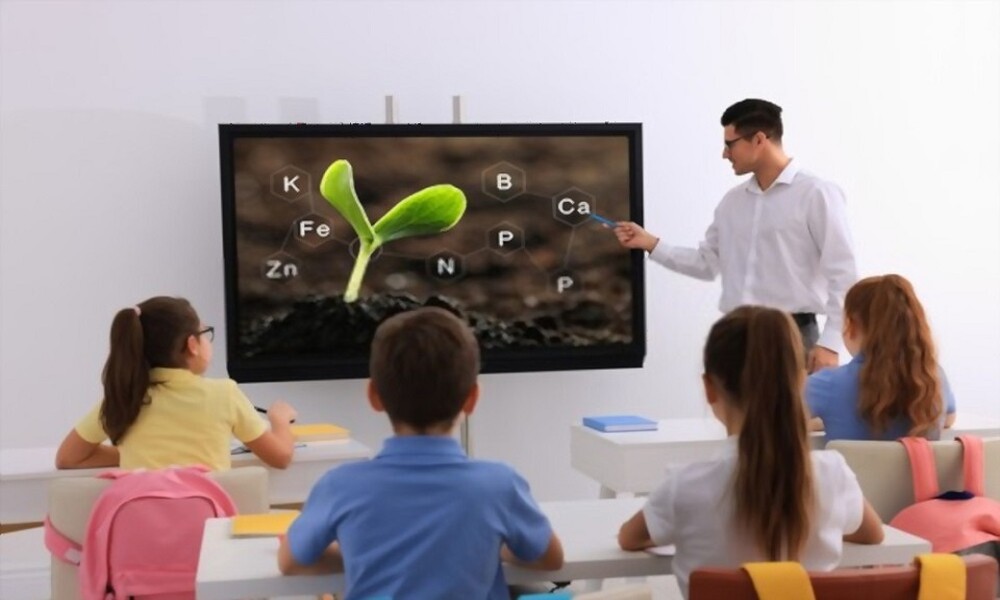
Visual display systems sit at the intersection of 2 consistently supported environmental factors in education research: visual clarity and teacher instructional flexibility. Facilities planners who treat whiteboard specification as a commodity decision unconnected to educational outcomes overlook a body of research that links display surface quality directly to student comprehension and engagement.
Does Whiteboard Surface Quality Affect Student Comprehension?
Yes. Studies conducted in K-12 and university classroom environments found that students in rooms with high-contrast, easily erasable whiteboard surfaces scored 8 to 12% higher on comprehension assessments than students in rooms with visibly degraded surfaces, controlling for instructor quality and content complexity.
The mechanism identified in educational psychology research is cognitive load reduction: display surfaces that ghost, stain, or produce low-contrast writing require additional cognitive effort from students decoding the board content, consuming working memory capacity that would otherwise be available for processing the instructional content itself.
How Does Writing Surface Quality Affect Teacher Instructional Choices?
Teachers with access to larger, higher-quality writing surfaces use more varied instructional approaches than teachers whose writing surface area is limited or whose board quality discourages sustained use.
Specifically, instructors with quality whiteboard surfaces are more likely to use 3 active learning strategies that research associates with improved retention:
- Drawing diagrams and concept maps during explanation rather than in prepared slides
- Working problems step-by-step in response to student questions
- Recording student contributions during discussion for ongoing reference
What Surface Finish Is Required for Projection Compatibility?
The shift to blended instructional models has made surface finish selection for projection compatibility a standard specification consideration. Low-gloss ceramic steel surfaces provide 2 advantages over high-gloss porcelain and melamine finishes under projector illumination:
- Substantially reduced hot-spot reflection that disrupts projected image visibility
- Consistent contrast performance across different projector brightness levels and room lighting configurations
Education facility planners specifying visual display products for education for active learning classrooms should require photometric reflectivity data before finalizing surface finish selections.
What Specification Considerations Apply to Active Learning Classroom Configurations?
Active learning classrooms that place whiteboards on 3 or 4 walls, or use moveable whiteboard panels as room dividers, require products specified for the installation angle and usage patterns of non-standard configurations. 2 specification risks arise when standard horizontal wall-mount specifications are applied without evaluation:
- Mounting hardware rated for horizontal wall installations may not carry adequate load ratings for vertical panel or rolling configurations
- Writing surface coatings specified for single-orientation installation may perform differently at non-standard angles.
