


Defining the Frameworks of Cultural Communication
“Language is the road map of a culture. It tells you where its people come from and where they are going.” – Rita Mae Brown, American writer, activist, and feminist.
In April 2026, our world is more connected than ever before. This global interconnectedness brings incredible opportunities but also new challenges. Effective cultural communication is no longer a niche skill; it is a fundamental necessity. We see diverse global professionals collaborating, sharing ideas, and shaping the future.
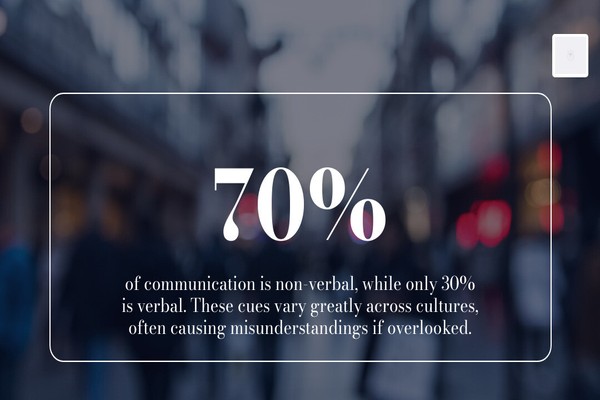
Understanding how people from different backgrounds exchange ideas and meaning is crucial. It requires grasping “subjective culture” – the shared beliefs, values, and behaviors that often operate beneath the surface of daily interactions. We know that communication is complex; in fact, approximately 70% of communication is non-verbal, while only 30% is verbal. These non-verbal cues vary significantly across cultures, often leading to misunderstandings if not recognized.
This extensive guide will explore the core principles of cultural communication. We will define what it is and how it differs from concepts like intercultural and transcultural communication. We will also examine key cultural differences in communication styles and the barriers that can arise. Our goal is to provide practical strategies and tools to improve cultural fluency for individuals and organizations alike. Join us as we navigate the complexities and unlock the power of connecting cultures.
Cultural communication, at its core, refers to the intricate process of exchanging ideas, information, and meaning between individuals or groups whose interpretations are shaped by their distinct cultural backgrounds. It encompasses how cultural beliefs, values, norms, and social practices influence the way messages are encoded, transmitted, and decoded. This process is often subconscious, rooted in the shared assumptions and survival systems that a group develops over generations. These deeply ingrained patterns dictate everything from conversational turn-taking to emotional expression, forming a “culture writ small” that profoundly impacts communication.
To fully appreciate cultural communication, distinguish it from related concepts:
- Intercultural Communication: This term specifically refers to communication between people from different cultural groups. The primary focus here is on the interaction itself and the adjustments individuals make to bridge cultural gaps and prevent misunderstandings. It’s often “difference-based,” acknowledging that participants do not share a common cultural experience and must actively work to understand each other’s perspectives.
- Intracultural Communication: This occurs within the same cultural group. While seemingly straightforward, even within a single culture, miscommunication can arise due to subcultural differences, individual variations, or differing interpretations of shared norms. It highlights that culture is not monolithic, and even shared backgrounds can have subtle nuances.
- Transcultural Communication: This concept transcends specific cultural boundaries, focusing on universal aspects of human communication or ideas that are understood across multiple cultures. It often involves the creation of new, shared understandings that are not bound by any single cultural tradition, aiming for a broader, more inclusive dialogue that moves beyond mere comparison.
Pioneering scholars like Edward T. Hall significantly advanced our understanding of cultural communication, particularly through his work on high-context and low-context communication styles. Hall’s theories provide a foundational framework for analyzing how cultures prioritize explicit verbal messages versus implicit contextual cues.

High-Context vs. Low-Context in Cultural Communication
One of the most influential frameworks for understanding cultural differences in communication styles comes from Edward T. Hall, who categorized cultures as either high-context or low-context. This distinction profoundly impacts how messages are constructed, interpreted, and understood.
In high-context cultures, communication relies heavily on implicit meaning. Much of the information is embedded in the context of the interaction, including nonverbal cues, shared experiences, relationships between communicators, and the overall situation. Messages are often indirect, nuanced, and require a deep understanding of cultural norms to fully grasp. Relationships are paramount, and communication tends to be more relationship-based, focusing on building rapport and trust before addressing explicit tasks. Examples of high-context cultures often include many societies in the Middle East, Asia, Africa, and South America. In these settings, a direct “no” might be considered rude, and subtle hints or circuitous language are used to convey negative feedback or disagreement. This style often involves a high degree of “field dependence,” where individuals pay close attention to the entire communication environment.
Conversely, low-context cultures prioritize explicit language. Messages are direct, clear, and detailed, with the assumption that most of the necessary information is contained within the verbal message itself. Communication is typically task-focused, aiming for efficiency and clarity over relationship building in many professional settings. There’s less reliance on shared background or implicit understanding. North America and Western European countries are often cited as examples of low-context cultures. In these environments, directness is valued, and ambiguity can be frustrating. For instance, a business contract in a low-context culture would be highly detailed and explicit to avoid any potential misinterpretation, whereas a high-context culture might find such detail unnecessary or even distrustful, relying more on established relationships and mutual understanding.
Here’s a simplified comparison:
Feature High-Context Communication Low-Context Communication Meaning Conveyed Implicit, nonverbal, situational cues Explicit, verbal messages Communication Style Indirect, nuanced, layered Direct, clear, precise Emphasis Relationships, harmony, trust Tasks, facts, efficiency Information Shared knowledge, context, history Spelled out, detailed, little assumed Feedback Indirect, subtle, face-saving Direct, explicit, constructive Examples Japan, China, Middle East, Latin America Germany, Switzerland, Scandinavia, USA Understanding these differences is crucial for effective global interaction, whether in business negotiations, diplomatic discussions, or even personal exchanges. Ignoring them can lead to significant misunderstandings, frustration, and damaged relationships.
The Evolution of Interdisciplinary Study
The study of cultural communication is not a singular discipline but a rich tapestry woven from various academic fields. Its emergence and evolution are deeply intertwined with historical shifts, particularly the rise of globalization and increased international interaction. Following World War II and during the Cold War era, the need for effective communication across national borders became acutely apparent. Governments and businesses recognized that understanding cultural nuances was vital for diplomacy, trade, and even military operations.
A significant milestone was the establishment of the Foreign Service Institute (FSI) in 1946 by the U.S. government. The FSI began developing training programs for diplomats and government employees destined for overseas posts, focusing on language and cultural understanding. This practical need laid much of the groundwork for what would become cross-cultural communication studies. Early research at institutions like FSI drew heavily from anthropology, examining cultural patterns, values, and social structures, and psychology, exploring individual perceptions, biases, and learning processes in new cultural environments.
As global trade expanded and multinational corporations became commonplace, the business world also embraced these insights. The 1970s saw increased academic interest, with conferences like the 1974 Innsbruck conference signaling a growing global focus on cultural research. Today, the field continues to integrate insights from communication studies, focusing on message construction and interpretation; sociology, analyzing social groups and interactions; and linguistics, particularly language socialization, which investigates how language not only reflects but also shapes social relations and cultural contexts.
Universities worldwide have incorporated cross-cultural communication into their curricula, recognizing its importance for preparing students for a multi-faceted global village. From organizational change management to foreign language programs, the interdisciplinary nature of this field continues to evolve, reflecting the ever-changing landscape of global interaction. This academic journey highlights a shift from simply comparing cultures to understanding the dynamic processes of communication that occur when diverse cultural experiences intersect.
Nonverbal Cues and Hofstede’s Dimensions
While words carry meaning, a significant portion of our communication transcends verbal language. As noted earlier, approximately 70% of communication is nonverbal, and these cues are perhaps even more culturally bound and prone to misinterpretation than spoken words. Nonverbal communication includes a vast array of signals, such as facial expressions, eye contact, gestures, posture, touch, and the use of space (proxemics). Understanding these subtle differences is paramount in any cross-cultural interaction, from a casual greeting to a high-stakes international business negotiation.
For instance, direct eye contact, often seen as a sign of attentiveness and honesty in many Western cultures, can be considered rude, confrontational, or a sign of disrespect in some Asian, Latin American, or Indigenous cultures, especially when communicating with elders or superiors. Similarly, a gesture that is polite in one culture might be offensive in another, like the “OK” sign in Brazil. Even the way emotions are displayed varies; some cultures value overt emotional expression, while others prefer a more neutral facial demeanor, believing strong emotions should be reserved for private settings. This complexity underscores why professional translation services, particularly in sensitive fields like medical communication, require not just linguistic accuracy but also deep cultural understanding. For instance, a French to English medical cultural translation needs to account for cultural norms around patient autonomy, directness of information, and even how pain or discomfort is verbally and nonverbally expressed, ensuring that the translated message is not only accurate but also culturally appropriate and empathetic.
Beyond individual nonverbal cues, broader cultural patterns also influence communication. Geert Hofstede’s cultural dimensions theory provides a robust framework for understanding these underlying influences. His model identifies several key dimensions along which cultures vary, including Power Distance, Individualism vs. Collectivism, Uncertainty Avoidance, Masculinity vs. Femininity, and Long-Term vs. Short-Term Orientation. These dimensions offer valuable insights into why communication styles differ and how they impact interactions in various contexts.
Spatial Ranges and Proxemics
Edward T. Hall’s theory of proxemics is a cornerstone of understanding nonverbal communication, specifically focusing on how individuals use and perceive space in communication. This “silent language” reveals deeply ingrained cultural norms about personal boundaries, intimacy, and social interaction. Hall identified four main spatial zones that vary significantly across cultures:

- Intimate Space (0 to 18 inches): This zone is reserved for close relationships, such as romantic partners, family members, or very close friends. Physical touch is common here. In some cultures, like those in Latin America or the Middle East, this space might be more readily entered by acquaintances, while in others, like many Western cultures, it’s highly protected.
- Personal Distance (1.5 to 4 feet): This is the space typically maintained during conversations with friends, family, and close acquaintances. It allows for comfortable interaction without feeling overly intimate.
- Social Range (4 to 12 feet): This distance is common for formal interactions, such as business meetings, classroom discussions, or conversations with strangers. It conveys a sense of formality and professionalism.
- Public Space (12 feet and beyond): This zone is used for public speaking, lectures, or large group interactions, where direct engagement with individuals is less expected.
The perception and use of these spatial ranges are heavily influenced by cultural boundaries. For example, individuals from cultures with a generally smaller intimate and personal space (often Mediterranean, Latin American, or Middle Eastern cultures) might stand closer during conversations, use more physical touch, and make more direct eye contact. Conversely, individuals from cultures that value larger personal space (such as many Northern European or East Asian cultures) might find such closeness intrusive or aggressive. Misunderstandings can easily arise when these proxemic norms clash. What one person perceives as friendly and engaging, another might find uncomfortable or disrespectful, leading to unconscious judgments about the other’s character or intentions. Recognizing these invisible boundaries of space is a critical step toward more effective cross-cultural communication.
Power Distance and Hierarchy
Another crucial dimension in Geert Hofstede’s cultural framework is Power Distance (PDI), which measures the extent to which less powerful members of institutions and organizations within a country expect and accept that power is distributed unequally. This dimension profoundly shapes communication patterns, particularly in hierarchical settings like workplaces or educational institutions.
In high power distance cultures, there is a clear acceptance of hierarchical structures, and individuals tend to show deference to authority figures. Communication flows predominantly from top to bottom, and subordinates are less likely to challenge superiors or express disagreement openly. Respect for elders and those in positions of power is paramount. Examples of countries with high PDI scores (ranging from 0 to 100) include the Philippines, Venezuela, and India, where PDI values are typically high. In such contexts, a manager’s voice tone might be louder or more assertive, and employees are expected to tolerate managerial criticism without significant negative reactions.
Conversely, low power distance cultures strive for more egalitarian relationships, where power is distributed more evenly, and individuals are encouraged to question authority. Communication is often more informal and participative, with open dialogue between superiors and subordinates. Countries like Canada, Sweden, and the United States tend to have lower PDI scores. In these environments, employees might react negatively to overly assertive voice levels from managers, expecting a more collaborative and less hierarchical communication style. For instance, research suggests that Chinese employees, from a higher PDI culture, might tolerate managerial criticism better than their American counterparts, who come from a lower PDI culture and expect more workplace equality and direct, respectful communication. Understanding a culture’s PDI is vital for navigating international business, diplomacy, and team collaboration, as it dictates expectations regarding formality, decision-making processes, and feedback mechanisms.
Strategies for Enhancing Cultural Fluency
Developing cultural fluency is an ongoing journey that requires conscious effort and a commitment to learning. When global interactions are the norm, individuals and organizations must adopt practical strategies to improve their cultural communication skills. These strategies move beyond mere awareness to active engagement and adaptation.
At the core of effective cultural communication are active listening and a willingness to adapt. Active listening involves not just hearing words but truly understanding the speaker’s message within their cultural context, paying attention to both verbal and nonverbal cues, and asking clarifying questions with empathy. Adaptation means being flexible in one’s own communication style – adjusting tone, directness, and nonverbal signals to align with the cultural expectations of the other party. This doesn’t mean abandoning one’s own identity but rather consciously choosing communication approaches that foster mutual understanding and respect.
Furthermore, continuous cultural research is indispensable. This goes beyond superficial facts and delves into the underlying values, beliefs, and historical contexts that shape a culture. Reading books, engaging with diverse media, and, most importantly, talking to people from different cultural backgrounds are invaluable ways to build this knowledge.
For organizations, a structured approach is necessary. Here are actionable steps:
- Provide Comprehensive Training: Implement regular cultural sensitivity and communication training programs for all employees, especially those in international roles.
- Establish Clear Communication Standards: Develop guidelines that acknowledge and respect cultural differences in communication styles, ensuring clarity in cross-cultural teams.
- Foster Inclusive Environments: Create workplaces where diverse perspectives are valued and psychological safety allows individuals to express themselves authentically.
- Encourage Open Dialogue and Feedback: Promote a culture where employees feel comfortable giving and receiving feedback across cultural lines, and where mistakes are seen as learning opportunities.
- Invest in Language and Cultural Resources: Provide access to language learning tools, cultural consultants, and professional translation and localization services.
- Develop Culturally Agile Leadership: Train leaders to model culturally sensitive communication and to effectively manage diverse teams, promoting conflict resolution through understanding rather than imposition.
By proactively implementing these strategies, individuals and organizations can significantly enhance their cultural fluency, leading to more productive interactions, stronger relationships, and more inclusive environments.
Overcoming Barriers to Cultural Communication
Even with the best intentions, several common barriers can impede effective cultural communication. Recognizing these obstacles is the first step toward overcoming them and fostering genuine understanding.
One prevalent barrier is the assumption of similarity. People often default to believing that others perceive the world and communicate in the same way they do. This unconscious bias can lead to misinterpretations when cultural norms diverge. For example, expecting a direct “yes” or “no” answer from someone from a high-context culture might lead to frustration if they prefer to communicate indirectly.
Linguistic prejudice extends beyond simple language differences. It involves biases against certain accents, dialects, or communication styles, sometimes leading to unfair judgments about a speaker’s intelligence or credibility. While language differences are an obvious hurdle, the nuances of translation and interpretation, as well as the emotional and social weight attached to different languages, can create significant gaps. This is where resources like Digital heritage cultural communication become vital, showcasing how language and cultural narratives are intertwined and how preserving these connections is crucial for intergenerational and cross-cultural understanding.
Stereotypes and preconceptions are oversimplified and often negative generalizations about cultural groups. They prevent individuals from seeing others as unique individuals, instead filtering interactions through biased lenses. Similarly, the tendency to evaluate involves quickly judging others’ behaviors or communication styles based on one’s own cultural standards, rather than seeking to understand the underlying cultural reasons.
Finally, high anxiety can be a significant barrier. When individuals feel uncertain or nervous in cross-cultural interactions, they may become less effective communicators, make more mistakes, or withdraw from engagement. This anxiety can stem from fear of offending, fear of being misunderstood, or simply discomfort with unfamiliar social rules.
To mitigate these barriers, it’s crucial to cultivate self-awareness, question assumptions, and actively seek to understand different perspectives. Developing strong listening skills, being aware of personal perceptions, and accepting differences are essential. Creating feedback loops, where individuals can respectfully inquire about misunderstandings, can help clarify intentions and build trust. By acknowledging these inherent challenges, we can consciously work to dismantle them, paving the way for more open and effective cross-cultural dialogue.
Real-World Applications in Business and Diplomacy
The relevance of cultural communication in today’s globalized world cannot be overstated, particularly in the critical domains of business and diplomacy. Effective cultural communication is not merely a soft skill; it is a strategic imperative that directly impacts success, profitability, and international stability.
In international business, understanding cultural nuances is the difference between market entry and market failure. Companies engaging in international marketing must go far beyond literal translation; they need full localization. This means adapting products, services, marketing messages, and even visual aesthetics to resonate with local cultural values and preferences. For example, a fast-food chain might adapt its menu items and marketing slogans to suit regional tastes and dietary customs. A furniture retailer might adjust product sizes and store layouts for smaller living spaces in Japan compared to larger homes in the U.S. Failed cultural communication in business can lead to lost opportunities, damaged brand reputation, and significant financial losses. Conversely, successful localization, informed by deep cultural insights, can lead to increased brand loyalty and market share. As an example, online campaigns featuring diverse representation have shown a 90% increase in ad recall, demonstrating the power of culturally resonant marketing.
In the realm of diplomacy, cultural communication is the bedrock of international relations and cooperation. Navigating complex global challenges like climate change, economic inequality, or geopolitical conflicts requires diplomats to communicate effectively across vastly different cultural and political systems. Negotiation training for diplomats often emphasizes understanding the high-context or low-context communication styles of counterparts, their power distance orientations, and their approaches to conflict resolution. A famous anecdote recounts how President Jimmy Carter, during the Camp David Accords, used photos of his grandchildren to make an emotional, high-context appeal to a stalled negotiator, successfully resuming peace talks. Such instances highlight how understanding and leveraging cultural communication styles can be pivotal in achieving diplomatic breakthroughs.
Conversely, failures in diplomatic cultural communication can escalate tensions, lead to misinterpretations of intent, and hinder collaborative efforts. For instance, differing cultural norms around directness or formality can cause offense or confusion, even when speaking the same language. The ability to engage in empathetic, culturally informed dialogue is essential for building trust, fostering cooperation, and ultimately contributing to a more peaceful and prosperous global community.
Frequently Asked Questions about Cultural Communication
As we navigate the complexities of a globally interconnected world, questions often arise about the specific facets of cultural communication. Here, we address some of the most common inquiries to provide further clarity.
What is the difference between intercultural and cross-cultural communication?
While often used interchangeably, there’s a subtle but important distinction between intercultural and cross-cultural communication. Cross-cultural communication primarily focuses on comparing communication styles and patterns across different cultures. It examines how people from various cultural backgrounds communicate within their own groups and then contrasts these observations. The goal is often to identify similarities and differences, with one culture sometimes serving as a norm for comparison. It’s more about understanding “how they communicate” versus “how we communicate.”
Intercultural communication, on the other hand, emphasizes the interaction that occurs between individuals or groups from different cultural backgrounds. Its focus is on the dynamic process of meaning-making when people with diverse cultural experiences engage with one another. The aim is not just to compare, but to understand how participants adjust their communication to bridge cultural gaps, prevent misunderstandings, and potentially achieve a “collective transformation” of understanding. It’s inherently “difference-based,” acknowledging that common cultural experiences are not shared, and thus requires active effort to create mutual understanding. Cross-cultural communication describes differences, while intercultural communication engages with them.
How does individualism affect communication styles?
Individualism, as a cultural dimension, profoundly shapes communication styles by influencing how people perceive themselves, their relationships, and their role within society. In highly individualistic cultures (like the US, Canada, or Australia, which score high on Hofstede’s individualism scale), the emphasis is on personal autonomy, self-reliance, and individual achievement. Communication tends to be direct, explicit, and focused on individual needs and opinions. People are expected to express their thoughts and feelings openly, and personal identity is often foregrounded. Conflict styles in individualistic cultures may be more direct, with individuals advocating for their own positions.
Conversely, in collectivistic cultures (such as Guatemala, Ecuador, or many Asian and African nations, which score low on the individualism scale), the group’s well-being and harmony take precedence over individual desires. Identity is often defined by one’s affiliation with a group (family, community, organization). Communication in these cultures tends to be indirect, subtle, and aimed at preserving group harmony and “face.” Self-disclosure might be low, especially if it could bring shame to the family. Decision-making processes often involve extensive consultation to ensure consensus, and direct confrontation is typically avoided. Understanding this distinction is crucial, as misinterpreting an individualistic directness as rudeness, or a collectivistic indirectness as evasiveness, can lead to significant communication breakdowns.
Why is nonverbal communication often misinterpreted?
Nonverbal communication is frequently misinterpreted because its cues are deeply embedded in culture, operating largely outside conscious awareness. While verbal language can be translated, the “silent language” of nonverbal signals – including eye contact, gestures, facial expressions, tone of voice, and proxemics – carries different meanings across cultural boundaries.
The statistic that 70% of communication is nonverbal underscores its pervasive influence. However, the interpretation of these cues is not universal. For example, a nod might mean “yes” in some cultures but “no” or “I understand” (without agreement) in others. Direct eye contact, a sign of sincerity in the West, can be a sign of disrespect in parts of Asia or the Middle East. Facial expressions, while often thought to be universal, can have culturally specific display rules, dictating when and how certain emotions are expressed. Even the use of silence, valued for reflection in some American Indian cultures, might be perceived as awkward or uncooperative in Western contexts.
These cultural filters mean that what appears to be a straightforward gesture or expression to one person can carry a completely different, sometimes even opposite, meaning to another. Without explicit cultural knowledge and a high degree of awareness, individuals often project their own cultural interpretations onto others’ nonverbal behavior, leading to unintended offense, confusion, or a complete breakdown in understanding. This highlights why developing cultural literacy in nonverbal communication is just as important, if not more so, than linguistic proficiency.
Conclusion
In April 2026, as our world continues its trajectory toward deeper globalization, the mastery of cultural communication is no longer an optional asset but a foundational skill for success and harmony. This extensive guide has traversed the landscape of cultural communication, from defining its core concepts and distinguishing it from related terms like intercultural and transcultural communication, to dissecting the profound impact of nonverbal cues and theoretical frameworks like Edward T. Hall’s high-context/low-context model and Geert Hofstede’s cultural dimensions.
We’ve explored why cultural communication is so relevant in today’s interconnected society, whether fostering business success, navigating complex international diplomacy, or enriching personal interactions. The pervasive influence of cultural differences on communication styles, from the explicit language of low-context cultures to the implicit nuances of high-context ones, and the varied interpretations of eye contact, gestures, and personal space, underscores the potential for both profound connection and significant misunderstanding.
Crucially, we’ve identified common barriers such as the assumption of similarity, linguistic prejudice, and stereotypes, and offered practical, actionable strategies for individuals and organizations to enhance cultural fluency. These include developing active listening skills, adapting communication styles, engaging in continuous cultural research, and investing in comprehensive training. By embracing these practices, we can move towards more effective conflict resolution, stronger team collaboration, and truly inclusive workplaces.
The journey toward cultural awareness and competence is continuous. It requires an open mind, a willingness to learn, and a commitment to mutual respect. As we look to the future, our ability to connect cultures and histories through thoughtful communication will define our collective progress. By diligently working to understand and appreciate diverse communication styles, we can transform our “global village” into a place of genuine understanding, shared purpose, and enduring peace.
