

A practical checklist of questions to ask a school about its classroom materials, from age fit and teacher use to how resources are replaced.
Why classroom materials are worth asking about
On a school tour, most of the talk covers class sizes, the curriculum and the daily timetable. The shelves and storage boxes get a passing glance. Yet classroom materials tell you a lot about how children spend their day, and whether the teaching approach described in the prospectus actually happens.
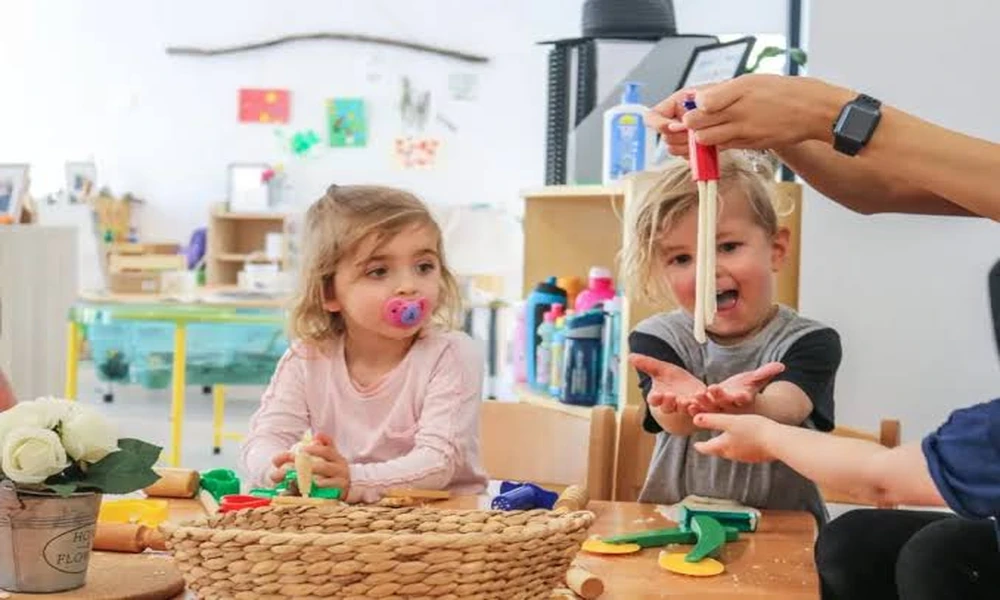
In this article, classroom materials means everything children handle while they learn. That includes books, toys, building sets, puzzles, art supplies, STEM kits and the small counting and sorting objects teachers call manipulatives.
The questions below fall into four areas. They are meant to start friendly conversations with staff, whether you are comparing settings during admissions or your child is already enrolled. Most teachers are glad to talk about their resources, and a good answer often comes with an example.
What is actually in the classroom?
Start with range and balance. A room full of plastic toys and very few books, or the reverse, says something about priorities.
Questions to ask:
- What kinds of materials do the children use most days?
- Is there a mix of books, building sets, art supplies and open-ended play materials such as blocks, fabric or loose parts?
- Can the children reach the materials and choose them themselves, or do adults hand most things out?
- Are there quieter resources for children who need a break from busy play?
Look as well as ask. Low, labelled shelves suggest children are expected to choose things and tidy them away. Boxes stacked on top of cupboards may be spare stock, or they may be things children rarely touch. If you can’t tell which, it’s fine to ask.
Do the materials fit my child’s age and stage?
Children in one class can be almost a year apart in age, and further apart in development. A good setting plans for that spread.
Questions to ask:
- How do you choose materials that suit this age group?
- What do you offer a child who is ahead in, say, reading or number work?
- How do you support a child who finds fine motor tasks, such as cutting or threading, harder?
- Which toy safety standards and age guidance do you follow when buying?
On safety, ask rather than assume. Many products carry age guidance and safety markings, and the rules differ from country to country. A school should be able to tell you which standards apply where it operates and how it checks new items, especially small parts in rooms with younger children. While you walk around, you can also look for age labels on boxes and packaging.
How do teachers use these resources?
A well-stocked room is only part of the picture. What matters more is how often children use the materials and whether that use is planned.
Questions to ask:
- How often do the children do hands-on activities in a typical week?
- Are the building sets and science kits linked to what the class is learning, or mostly used for free play?
- Do children usually work alone, in pairs or in small groups with these materials?
- How are teachers shown how to use the STEM or specialist kits?
- Which of these things did the children use this week?
That last question is a gentle way to separate everyday resources from items kept mainly for display. A teacher who describes a recent activity, such as children testing which ramp makes a toy car roll furthest, is showing you how the room works on an ordinary day. Hands-on learning of this kind lets young children try an idea, talk about what happened and try again.
How are materials replaced and replenished?
On an open day, classrooms are usually at their tidiest. The more useful question is what they look like in March, after months of daily use.
Questions to ask:
- Is there a regular budget for classroom materials, and who decides how it is spent?
- How often are worn or broken items replaced?
- What happens when a toy or kit is damaged? Is it taken out of use straight away?
- How are shared materials cleaned, and how often?
- Are parents ever asked to donate items or contribute towards supplies?
Steady replenishment matters more than the amount of stock on show during a tour. A smaller set of well-kept resources, replaced on a predictable cycle, usually serves children better than a large collection with missing pieces. Ask about donations early as well, so you know what families may be asked for during the year.
How schools source learning materials
Most schools buy through education suppliers, directly from manufacturers, or through bulk buying programs run by suppliers or by groups of schools. Whichever route they take, careful buyers tend to compare the same few things:
- clear age labelling
- safety documentation for the country the school is in
- durability under daily use by many children
- whether items and replacement parts can be reordered later
As one illustration of the categories a school might compare when choosing hands-on STEM resources, the Chenghai-Toys learning and STEM catalogue shows the kind of product listing a buyer would work through. This is an example of a sourcing option only. It is not a recommendation for any school, and it makes no claim that any particular school uses this supplier. If you want to know where your school buys its materials, staff can usually tell you.
Printable checklist and further resources
Take these questions on a tour or to a parents’ meeting.
What is in the classroom
- What do the children use most days?
- Can children reach and choose materials themselves?
- Is there a balance of books, building, art and open-ended play?
Age and stage
- How do you choose materials for this age group?
- What do you offer children who are ahead or who need more support?
- Which safety standards and age guidance do you follow?
How teachers use them
- How often do children do hands-on activities each week?
- Are kits and building sets linked to what the class is learning?
- How are staff shown how to use specialist resources?
- What did the children use this week?
Replacement and replenishment
- How often are worn or broken items replaced, and how are materials cleaned?
- Are families asked to donate or pay towards supplies?
Further resources
- Child development guidance from your national education or health department, which describes what children typically learn at each age.
- Product safety information from your country’s consumer safety authority, including how age grading for toys works.
- The school’s own curriculum or early years policy, which often explains how play and resources fit into learning.
- An example of a supplier buying program from Chenghai-Toys, for a sense of how bulk or program buying is often set up for schools and educators.
You don’t need every answer on the first visit. Choose the three or four questions that matter most for your child, ask them in a relaxed way, and notice whether staff answer with specific examples. Those examples will tell you more about daily life in the classroom than the tidiest shelf on an open day.
