
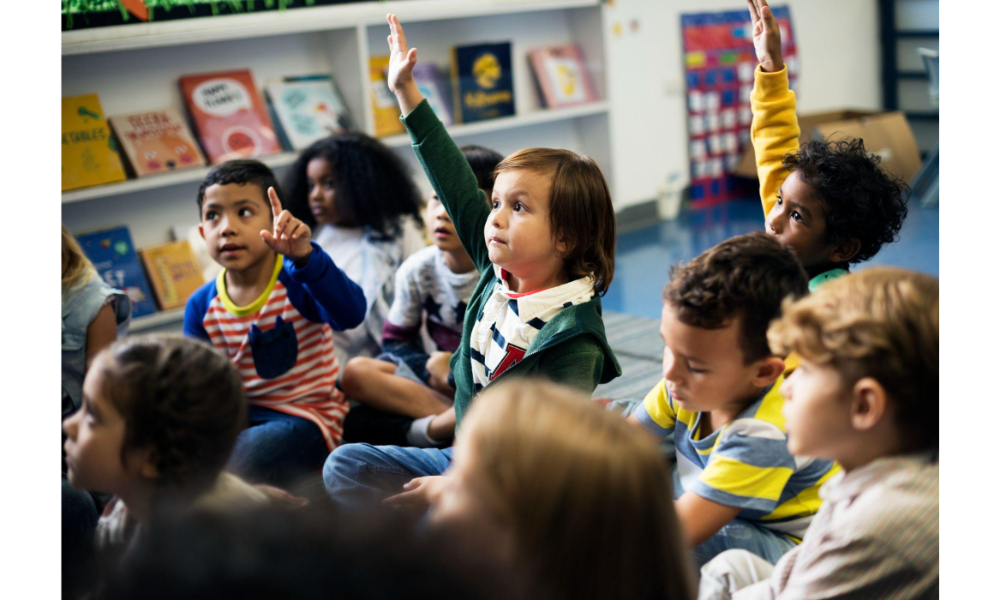
Starting kindergarten in Singapore marks a milestone in every child’s early learning journey, and for many parents, it’s a mix of excitement, pride, and anxiety. For parents considering a Chinese preschool, the transformation can be even more striking. From shy toddlers learning to share and explore, to bilingual, confident young learners ready for primary school, the difference before and after kindergarten can be truly heart-warming. So, what actually changes?
The Big Transition Begins
Before enrolling your child in kindergarten in Singapore, daily routines are usually flexible and familiar. The biggest shift starts when parents begin exploring schools and thinking about readiness. In a Chinese preschool, preparation might include gently introducing Mandarin songs or picture books to familiarise your child with the language. At this stage, focus is on emotional readiness. Can your child follow simple instructions, share toys, or express feelings?
Establishing consistent sleep and mealtimes helps children adapt faster when kindergarten begins. Visiting the school beforehand can also make the environment less intimidating and spark excitement instead of fear. Before this stage, children rely heavily on parental comfort. After starting school, however, they discover new independence.
A Whole New World
The first few weeks of kindergarten in Singapore often bring a mix of emotions. Some children adjust quickly; others take a little longer. Yet within months, the difference is remarkable. Parents often notice their child coming home more expressive, curious, and eager to share stories about new friends and activities. In a Chinese preschool, you might suddenly hear your child singing Mandarin rhymes at dinner or using new words picked up from class.
The structure of kindergarten teaches discipline without pressure. Children start understanding time, responsibility, and teamwork. Developing confidence and communication are essential skills for their next step into primary school.
Fears and Expectations of Parents
Many parents worry whether their child will eat well, make friends, or manage separation anxiety. Others fear their child might lag behind in academic readiness. However, experts remind parents that kindergarten in Singapore is about laying a strong emotional and social foundation. Children learn to express themselves, explore creativity, and build resilience.
If you’ve chosen a Chinese preschool, you might also wonder whether your child will struggle with Mandarin. But the truth is, young minds absorb languages naturally when learning is fun and interactive. Games, songs, and storytelling make Mandarin approachable rather than intimidating.
The Visible Growth You Didn’t Expect
Fast forward a few months, and parents often notice growth in unexpected areas. Children who were once shy begin greeting teachers confidently. Those who struggle with routines start packing their own bags or tidying up after snack time.
In kindergarten in Singapore, learning happens through exploration. After this experience, children develop problem-solving skills and emotional awareness beyond what most parents anticipate. At a Chinese preschool, the transformation includes cultural appreciation. Children celebrate Chinese festivals, learn calligraphy basics, and understand traditions in a hands-on, joyful way. By the time they graduate, they’ve gained a sense of identity and connection to culture.
The Search for the Right Environment
Finding the right kindergarten can feel like navigating an endless maze. Location, curriculum, teaching style, and values all come into play.
Parents exploring kindergarten options in Singapore often prioritise holistic education. Visiting schools in person helps reveal the atmosphere: Are classrooms welcoming? Do teachers engage warmly with children? Is play integrated into daily learning? Those considering a Chinese preschool should look for immersive yet child-friendly approaches. Language learning should feel organic, blending storytelling, music, and sensory play. Remember, early education should never feel forced.
A New Routine for the Whole Family
Once your child starts kindergarten in Singapore, the rhythm of family life shifts. Mornings become more structured, with school runs and packed lunches. Afternoons might include homework, reading time, or family walks to talk about the day.
This structure brings surprising benefits. Parents often find themselves more organised and attuned to their child’s emotional world. In homes with children attending Chinese preschool, family members sometimes join in on the learning by practising simple Mandarin phrases together, singing songs, or reading bilingual storybooks. Education becomes a shared experience that strengthens bonds.
Conclusion
From tentative first steps into the classroom to confident leaps into primary school readiness, the journey shapes children in every way imaginable. Whether you choose a bilingual Chinese preschool or a general kindergarten in Singapore, what matters most is the supportive environment, dedicated teachers, and the space your child gets to explore, question, and grow. Because in the end, kindergarten is preparation for academics, life, independence, and the joy of learning that lasts a lifetime.
Ready to see your child’s “after” story unfold? Schedule a tour at Orange Tree Preschool today and watch how the right environment helps your little one bloom with confidence and curiosity.